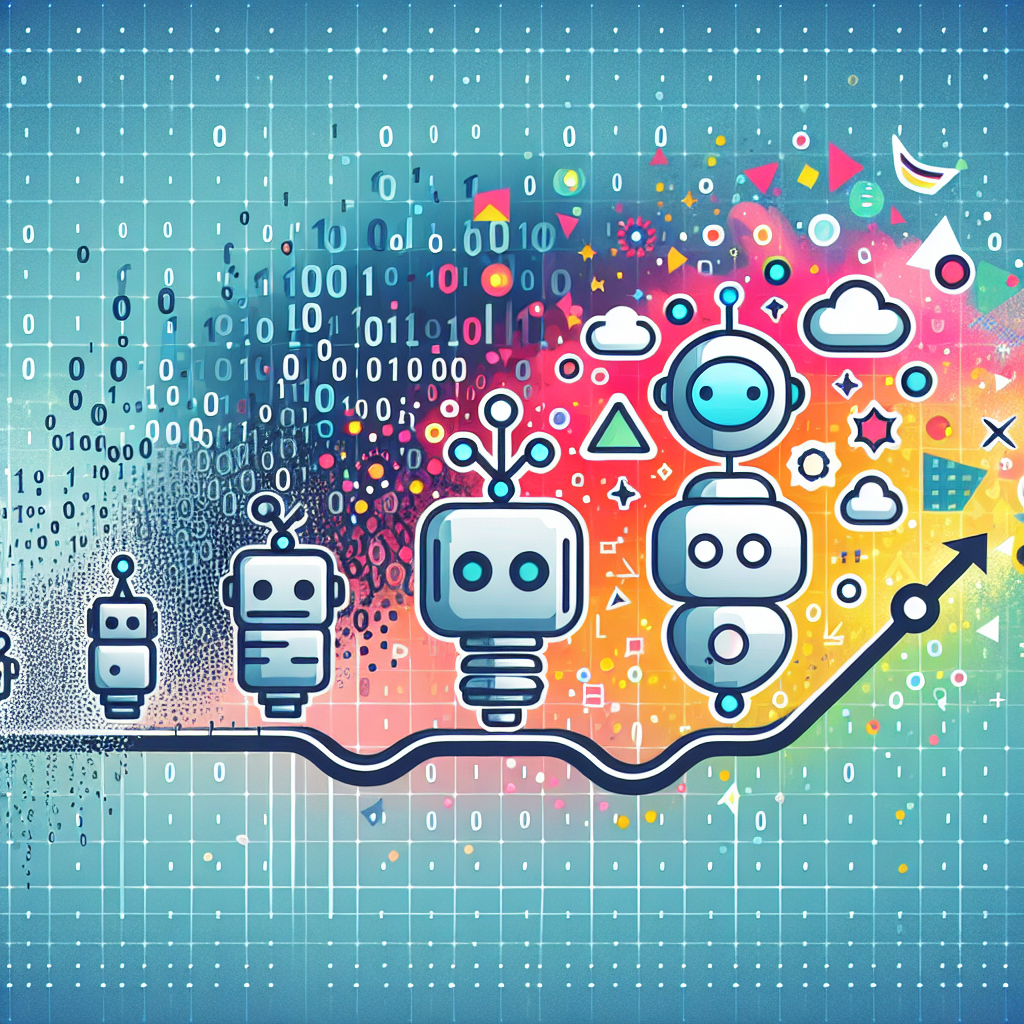
The rapid evolution of technology has transformed how businesses operate, and one of the most significant advancements has been the development of bots. Initially rudimentary scripts designed to perform repetitive tasks, bots have now transitioned into sophisticated AI-driven entities capable of engaging with users in nuanced ways. This article explores the evolution of bots, their current capabilities, the implications for business, and the future of automated interaction.
Understanding Bots: The Basics
What Are Bots?
Bots, short for robots, are software applications that automate tasks. They can operate independently or assist users in various capacities. Traditionally, bots were programmed to follow specific scripts, executing straightforward commands based on predetermined conditions. However, the advent of artificial intelligence (AI) has significantly transformed their capabilities.
Types of Bots
- Chatbots: These bots engage in conversation with users, often using natural language processing (NLP) to understand and respond to queries.
- Social Media Bots: Designed to interact with users on social media platforms, these bots can manage accounts and assist with customer service.
- Shopping Bots: These bots help users find products, compare prices, and even make purchases on e-commerce platforms.
- Informational Bots: Typically integrated into websites, these bots provide users with information, such as news updates or weather forecasts.
The Evolution of Bots
From Simple Scripts to AI-Driven Bots
The Early Days
In the early 2000s, bots primarily relied on pre-defined scripts. They could carry out repetitive tasks like data entry or simple customer service inquiries but lacked the ability to engage in complex interactions. For example, a basic customer support bot might understand certain keywords, responding with pre-written answers.
The Introduction of AI
The landscape began changing with the introduction of AI and machine learning (ML). Algorithms designed to learn from user interactions allowed bots to respond more intelligently. Developers integrated NLP, enabling bots to understand context, tone, and even sentiment.
A New Era: Conversational AI
Today’s bots are often powered by advanced AI technologies that enable them to engage in conversations as effectively as a human. Brands like Google and Amazon have pioneered the field with products like Google Assistant and Amazon Alexa, demonstrating how bots can be utilized for everyday tasks.
Key Technologies Driving Evolution
- Natural Language Processing (NLP): NLP technologies help bots understand and generate human language, making conversations more fluid and natural.
- Machine Learning (ML): Through ML, bots continuously improve their responses by learning from user interactions. This leads to more personalized user experiences.
- Sentiment Analysis: Bots can determine the emotional tone of user messages, allowing for more tailored responses that can enhance user satisfaction.
The Business Implications
Enhancing Customer Experience
For entrepreneurs and marketers, the integration of AI-driven bots can enhance customer experiences significantly. Bots can provide 24/7 customer support, reducing waiting times and improving service quality. A study by HubSpot indicates that 71% of consumers prefer to use chatbots for quick communication with brands.
Cost Efficiency
Bots can also lead to substantial cost savings. By automating routine tasks, businesses can allocate resources more efficiently. For example, staff traditionally tasked with answering frequently asked questions can focus on more complex tasks, enhancing overall productivity.
Data Collection and Analysis
Bots have the capability to gather valuable data on customer interactions. This data can be analyzed to improve marketing strategies and enhance products and services. The ability to track user preferences helps businesses tailor offerings to meet customer needs more effectively.
Implementing Bots in Business Strategy
Key Steps for Integration
- Identify Use Cases: Determine where bots can add value in your customer interactions, whether in sales, customer service, or user engagement.
- Choose the Right Technology: Select a bot platform that aligns with your business needs. Options can range from simple rule-based systems to advanced AI capabilities.
- Monitor Performance: Regularly analyze bot performance, user interactions, and satisfaction rates to continuously improve the service.
Overcoming Challenges
While the benefits of bots are significant, businesses must also be aware of the challenges associated with their implementation. Common issues include:
- User Trust: Some users may be skeptical about engaging with bots. Ensuring transparency about the bot’s capabilities can help mitigate these concerns.
- Complex Interactions: Bots may struggle with complex queries. It’s essential to establish a fallback protocol where users can connect with human agents if necessary.
The Future of Bots
Trends to Watch
- Voice-Powered Bots: With the rise of voice-enabled technology, the integration of voice recognition in bots is becoming increasingly prevalent, allowing for hands-free interactions.
- Emotional Intelligence: Future bots are expected to exhibit a higher degree of emotional intelligence, adapting their responses based on the user’s emotional state.
- Integration with IoT: As the Internet of Things (IoT) continues to grow, we can expect bots to interact with an array of devices, creating a more seamless and interconnected user experience.
Ethical Considerations
As bots become more sophisticated, ethical considerations surrounding their use will also become critical. Issues regarding privacy, data security, and user consent will need to be addressed to maintain user trust and comply with regulatory guidelines.
Conclusion
The evolution of bots from simple scripts to sophisticated AI-driven solutions marks a significant milestone in technology. As businesses continue to integrate these tools into their operations, the potential for enhanced customer experiences, increased efficiency, and valuable insights becomes clear. By understanding the capabilities and limitations of bots, entrepreneurs and marketers can leverage this technology to foster growth and innovation.
For further reading on enhancing customer engagement, check out our article on Maximizing Customer Interaction Through Effective Communication.
References
By continually adapting and refining their strategies in light of technological advancements, businesses can ensure they stay at the forefront of innovation while meeting the ever-evolving needs of their customers.