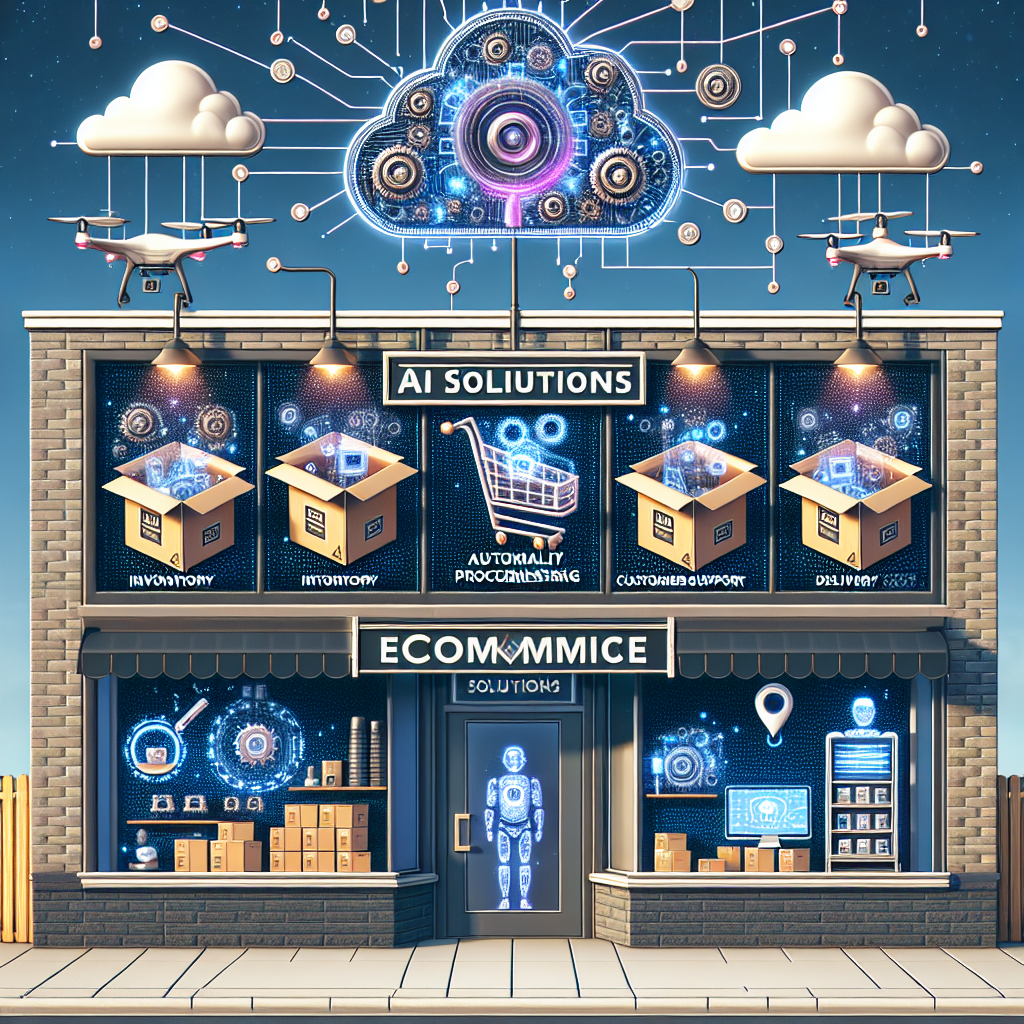
In the rapidly evolving world of eCommerce, businesses face numerous challenges, from understanding customer preferences to effectively managing inventory. Incorporating Artificial Intelligence (AI) solutions can streamline operations, enhance customer experiences, and drive sales. This article explores five essential AI solutions that every eCommerce store should consider implementing.
Table of Contents
- Understanding AI in eCommerce
- Personalization Engines
- What They Are
- Benefits
- Implementation
- Chatbots and Virtual Assistants
- Definition and Use Cases
- Advantages
- Best Practices
- Predictive Analytics
- Overview
- Key Benefits
- How to Get Started
- Inventory Management Solutions
- Importance
- AI Capabilities
- Examples
- Fraud Detection and Prevention
- Understanding the Risks
- AI Solutions
- Getting Started
- Conclusion
1. Understanding AI in eCommerce
Artificial Intelligence refers to the simulation of human intelligence in machines that are programmed to think and learn. In eCommerce, AI can analyze vast amounts of data to offer insights that help in decision-making, thereby improving the efficiency and effectiveness of business operations. From personalizing user experiences to optimizing supply chains, AI is a game-changer.
2. Personalization Engines
What They Are
Personalization engines use AI algorithms to tailor online shopping experiences to individual consumers. They analyze behavior and preferences, allowing eCommerce stores to present products that align with customers’ specific interests.
Benefits
- Enhanced User Experience: Personalized recommendations create a more engaging shopping experience.
- Increased Conversion Rates: Targeted marketing strategies can lead to higher sales.
- Customer Loyalty: Personalized experiences foster trust and long-term relationships.
Implementation
To implement a personalization engine, businesses must collect data on customer behavior and preferences. Tools like Optimizely can be integrated with existing eCommerce platforms to facilitate this process.
3. Chatbots and Virtual Assistants
Definition and Use Cases
Chatbots are AI-powered tools that can simulate human conversations. They assist customers in real-time, answering queries, providing product recommendations, and even facilitating purchases. Virtual assistants, like Amazon’s Alexa, extend this functionality beyond websites to voice-activated devices.
Advantages
- 24/7 Availability: Chatbots can handle customer inquiries at any time.
- Cost Efficiency: Automating customer service reduces labor costs.
- Scalability: As eCommerce businesses grow, chatbots can manage increasing customer interactions without additional manpower.
Best Practices
- Design chatbots with natural language processing capabilities to ensure clear communication.
- Regularly update the chatbot’s knowledge base to provide accurate information.
4. Predictive Analytics
Overview
Predictive analytics uses historical data and machine learning algorithms to forecast future outcomes. In the context of eCommerce, this can include predicting customer behavior, sales trends, and inventory needs.
Key Benefits
- Informed Decision-Making: Businesses can make data-driven decisions about marketing and inventory.
- Targeted Marketing: Understand which products are likely to sell based on past data.
- Improved Customer Retention: By anticipating customer needs, businesses can enhance loyalty.
How to Get Started
To effectively leverage predictive analytics, companies can use tools like Google Analytics or Tableau that incorporate AI functionalities for data analysis.
5. Inventory Management Solutions
Importance
Effective inventory management is crucial for maintaining customer satisfaction and optimizing sales. AI solutions can streamline this process by predicting demand and automating restocking.
AI Capabilities
- Demand Forecasting: AI can analyze purchase histories to predict future product demand.
- Automated Ordering: Once stock levels reach a threshold, the system can automatically place orders.
- Real-Time Monitoring: AI can track inventory levels across multiple locations.
Examples
Tools like TradeGecko and ShipBob provide AI-driven inventory management solutions tailored for eCommerce.
6. Fraud Detection and Prevention
Understanding the Risks
As eCommerce grows, so do the risks of fraudulent transactions. Fraudulent activities can lead to significant financial losses and damage brand reputation.
AI Solutions
AI can identify unusual patterns and flag potentially fraudulent transactions for further review. Companies like Riskified offer AI solutions specifically designed for fraud detection in eCommerce.
Getting Started
To implement AI for fraud detection, businesses should consider investing in specialized tools that monitor transactions and user behavior.
7. Conclusion
AI solutions are not just an option; they are vital for any eCommerce store looking to thrive in a competitive market. From personalization engines that enhance user experiences to inventory management solutions that optimize operations, integrating AI can help businesses make informed decisions, improve customer satisfaction, and increase revenue.
For further insights into optimizing your eCommerce strategy, check out our article on Effective eCommerce Marketing Strategies.
By harnessing the power of AI, eCommerce businesses can turn challenges into opportunities, driving growth in an ever-changing digital landscape.