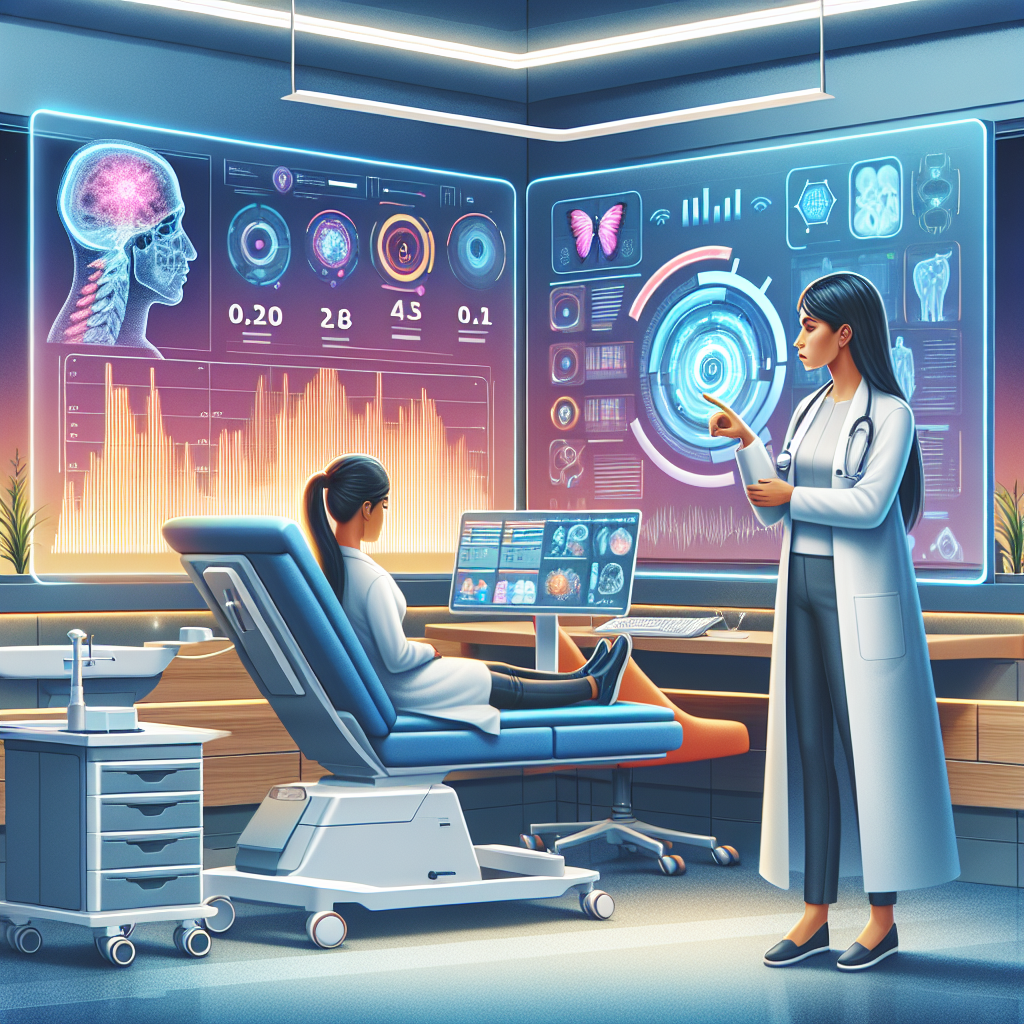
In the rapidly evolving landscape of healthcare, artificial intelligence (AI) is becoming an indispensable ally for medical professionals. From diagnosing diseases to improving patient outcomes, AI technologies are enhancing the precision and efficiency of healthcare delivery. This article explores how AI empowers doctors, focusing on its role in enhancing diagnostic accuracy.
Understanding AI in Healthcare
What is Artificial Intelligence?
Artificial Intelligence refers to the simulation of human intelligence processes by machines, especially computer systems. These processes include learning, reasoning, and self-correction. In healthcare, AI can analyze large amounts of data and identify patterns that may assist doctors in making more informed decisions.
The Importance of Diagnostic Accuracy
Diagnostic accuracy is critical in healthcare because it directly impacts patient treatment and outcomes. Misdiagnoses can lead to inappropriate treatments, increased healthcare costs, and even fatal consequences. AI technologies aim to reduce these risks by assisting doctors in achieving a higher level of diagnostic precision.
How AI Technologies are Transforming Diagnostics
Machine Learning Algorithms
Machine learning, a subset of AI, utilizes algorithms to analyze data and make predictions. By training on extensive datasets, these algorithms can recognize patterns and correlations that may not be readily apparent to human clinicians. For example, a machine learning model developed by Stanford University was able to diagnose skin cancers with an accuracy comparable to dermatologists, showcasing the potential for AI to support clinical judgment.
Natural Language Processing (NLP)
Natural Language Processing enables machines to understand and interpret human language. In healthcare, NLP can analyze clinical notes, medical journals, and patient records to extract valuable information. This capability helps doctors stay updated on the latest research, empowering them to make informed diagnostic decisions.
Imaging Technologies
AI-powered imaging technologies are revolutionizing radiology. Tools like IBM Watson and Google’s DeepMind are using AI algorithms to enhance image analysis. By examining images for specific characteristics, these AI systems can identify abnormalities such as tumors, fractures, or lesions with high accuracy. This assistance allows radiologists to focus on complex cases, improving efficiency and diagnostics.
The Benefits of AI in Diagnostics
Improved Speed and Efficiency
AI technologies can process data at speeds far beyond human capability. This rapid analysis allows for quicker diagnosis, which is especially critical in emergency situations. For instance, AI algorithms can quickly analyze imaging results, enabling timely decisions related to treatment.
Enhanced Precision in Diagnostics
As mentioned above, AI improves the accuracy of diagnoses by identifying patterns in complex datasets. Studies have shown that AI systems can reduce diagnostic errors significantly, leading to better patient outcomes. For example, a study published in Nature demonstrated that an AI model could diagnose breast cancer more accurately than human radiologists.
Reduction in Healthcare Costs
By increasing diagnostic accuracy and efficiency, AI can help reduce overall healthcare costs. Fewer misdiagnoses mean less money spent on unnecessary treatments and additional tests, allowing resources to be allocated more effectively.
Personalized Medicine
AI technologies facilitate personalized treatments by analyzing individual patient data and genetic information. This tailored approach can improve patient outcomes and provide precise targeting for treatments, marking a significant shift in how healthcare is delivered.
Challenges in Implementing AI in Healthcare
Data Privacy Concerns
With the integration of AI in healthcare, patient data privacy is a significant concern. Ensuring compliance with regulations such as HIPAA (Health Insurance Portability and Accountability Act) is essential. Healthcare providers must invest in secure systems that protect sensitive patient information while still enabling AI analysis.
Integration with Existing Systems
AI systems must seamlessly integrate with existing healthcare infrastructures. This is often a complex task requiring significant investment and training. Healthcare providers must ensure that staff are well-prepared to utilize new technologies to maximize their diagnostic effectiveness.
Dependence on Quality Data
The effectiveness of AI systems is heavily reliant on the quality and volume of data they analyze. Inaccurate or biased data can lead to flawed algorithms, which may result in poor diagnostic accuracy. Continuous efforts must be made to ensure data integrity in healthcare settings.
Future Trends in AI-Driven Diagnostics
Enhanced Collaboration Between AI and Healthcare Professionals
The future of diagnostics involves a collaborative relationship between doctors and AI systems. Rather than replacing human professionals, AI will serve as an advanced tool that enhances their capabilities. This synergy can lead to better diagnostics and improved patient care.
Ongoing Research and Development
Research in AI technology continues to advance rapidly. New algorithms, better data collection methods, and innovative applications will enhance diagnostic accuracy even further. Ongoing studies aim to expand the range of conditions that AI can assist in diagnosing, ensuring a broader impact on healthcare.
Integration of AI with Wearable Technologies
The rise of wearable health technologies, such as smartwatches and fitness trackers, offers an additional layer of data for AI analysis. These devices can monitor real-time health indicators, enabling more proactive approaches to diagnostics and treatment.
Conclusion
AI technologies are proving to be powerful allies for doctors in enhancing diagnostic accuracy. While challenges remain in implementation and data privacy, the benefits brought by AI are undeniable. Improved speed, precision, and personalized care are paving the way for a brighter future in healthcare. As AI continues to evolve, its role in diagnostics will become increasingly significant, transforming not just how healthcare is delivered, but also the nature of patient care.
For more insights on the impact of technology in healthcare, check out our article on Emerging Technologies in Healthcare.
References
For more in-depth reading, please refer to the following high-authority sources:
- Nature: AI in Medicine – A research article discussing AI’s application in breast cancer diagnosis.
- Stanford AI Research – Insights into ongoing AI research initiatives.
This structured approach ensures your article not only adheres to SEO best practices but also provides valuable information to readers interested in the intersection of AI and healthcare.