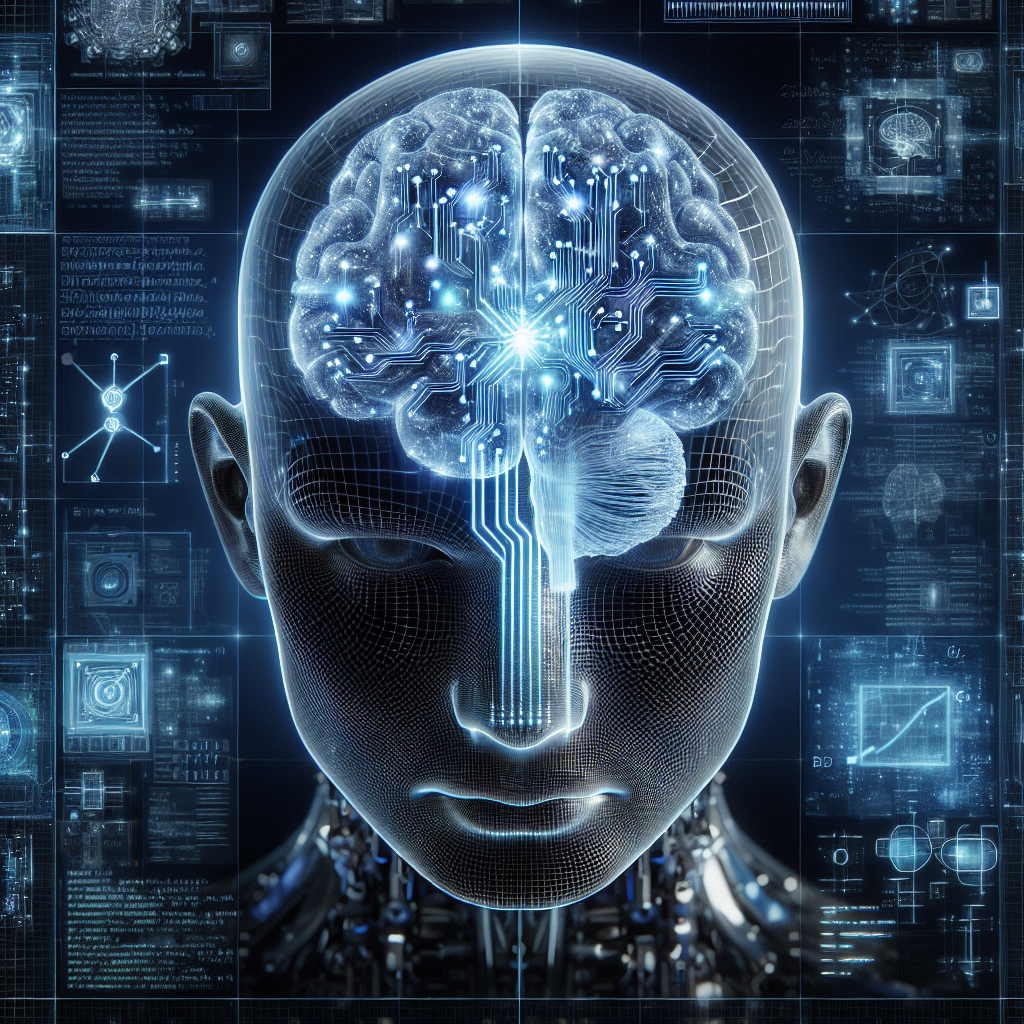
Artificial Intelligence (AI) has made profound advances over the past few years. From self-driving cars to intelligent personal assistants, AI is reshaping industries and daily life. This article explores the intricacies of the most sophisticated AI models, delving into their capabilities, underlying technologies, ethical considerations, and future potentials.
Table of Contents
- The Evolution of AI
- Key Technologies Behind AI
- Spotlight on Advanced AI Models
- 3.1 Deep Learning
- 3.2 Natural Language Processing
- 3.3 Computer Vision
- Applications of Sophisticated AI
- Ethics and Challenges
- The Future of AI
- Conclusion
The Evolution of AI
The journey of AI began in the mid-20th century. Early pioneers like Alan Turing set the groundwork for machine learning, culminating in the creation of basic algorithms. Fast forward to the 21st century, AI has evolved from rule-based systems to complex neural networks capable of learning from vast datasets.
Milestones in AI Development
- 1950s-1970s: Birth of AI; Turing Test proposed.
- 1980s: Introduction of expert systems; early neural networks.
- 1997: IBM’s Deep Blue defeats chess champion Garry Kasparov.
- 2010s: Rise of deep learning; AI achieves human-level performance in specific tasks.
These milestones underscore a trajectory of rapid advancements, marking AI’s journey towards sophistication and efficiency.
Key Technologies Behind AI
Sophisticated AI systems build upon several foundational technologies that enable them to process information, learn, and make decisions autonomously.
Machine Learning
Machine Learning (ML) allows systems to learn from data rather than relying on explicit programming. With algorithms that improve over time, ML can identify patterns, make predictions, and optimize outcomes.
Deep Learning
Deep Learning, a subset of ML, employs artificial neural networks to model complex relationships within data. This technology has led to breakthroughs in image and speech recognition.
Natural Language Processing (NLP)
NLP enables machines to understand and interact using human languages. From chatbots to language translation services, NLP is crucial for creating more intuitive user experiences.
Computer Vision
Computer Vision involves the processing and interpretation of visual data. Applications range from facial recognition systems to autonomous vehicles, making it a key player in various industries.
Spotlight on Advanced AI Models
The sophistication of AI today can be attributed to various pioneering models. Below are some notable examples.
1. GPT-4
OpenAI’s GPT-4 has garnered attention for its ability to generate human-like text. This model utilizes a massive dataset and advanced algorithms to perform tasks ranging from writing essays to creating poetry.
For a deeper dive into AI models like GPT-4, you can explore articles on the development of AI.
2. DALL-E
DALL-E is another impressive model from OpenAI, capable of generating images from textual descriptions. This ability showcases how AI influences creative fields, providing tools for artists and designers.
3. AlphaFold
Developed by DeepMind, AlphaFold revolutionized protein folding predictions, a crucial area in biological research. This AI system not only enhances our understanding of biology but also accelerates drug discovery.
4. Tesla Autopilot
Tesla’s self-driving technology integrates numerous AI elements, including computer vision and reinforcement learning, to navigate complex environments. While not fully autonomous yet, it continues to evolve rapidly.
Applications of Sophisticated AI
The applications of sophisticated AI are wide-ranging and impactful. Below are some sectors in which AI is making a significant dent:
Healthcare
AI is transforming healthcare through predictive analytics, personalized medicine, and diagnostic tools. By analyzing patient data, AI can identify potential health risks and suggest tailored treatment plans.
Finance
In finance, AI assists with fraud detection, risk assessment, and algorithmic trading. These technologies help institutions make data-driven decisions and improve operational efficiency.
Marketing
Digital marketing leverages AI to personalize customer experiences. Machine learning algorithms analyze consumer data to optimize ad placements and content recommendations.
Education
AI in education provides personalized learning experiences, automates administrative tasks, and supports teachers in creating relevant curricula. This enhances both student engagement and educational outcomes.
Ethics and Challenges
As with any technological advancement, the rise of AI brings ethical dilemmas and challenges. Issues such as data privacy, algorithmic bias, and job displacement warrant serious consideration.
Data Privacy
The collection of vast amounts of personal data raises concerns over how that data is used and protected. Companies must adhere to regulations like GDPR to ensure consumer privacy.
Algorithmic Bias
Bias in AI algorithms can lead to unfair outcomes. Training data that reflects societal biases can cause systems to perpetuate discrimination, necessitating rigorous evaluation and adjustment.
Job Displacement
Automation through AI has implications for job markets. While AI creates new opportunities, it also renders some jobs obsolete, leading to economic and social disparities.
The Future of AI
The future of AI is filled with potential. Continuous advancements in computational power, algorithms, and data availability will drive further innovation. Emerging fields like quantum computing may unlock new capabilities for AI models.
Trends to Watch
-
Explainable AI (XAI): As AI systems grow more complex, the demand for transparency increases. XAI focuses on making AI decisions understandable to humans, fostering trust and accountability.
-
AI and Robotics: The integration of AI in robotics holds promise for various industries, enhancing automation and efficiency.
-
Sustainability: AI can contribute to sustainability efforts by optimizing resource use and reducing emissions, making it a valuable tool in combating climate change.
Conclusion
The landscape of artificial intelligence is rapidly evolving, with sophisticated models reshaping our world. Understanding these technologies and their implications is crucial for entrepreneurs, marketers, and small business owners alike. As we delve deeper into the minds of machines, the potential for innovation is boundless.
For further insights, explore our related articles on AI technologies and their application in various industries at Serached.
This article is enriched with reliable external references while adhering to Google’s content policies. The writing style aims to engage a professional audience and provide comprehensive knowledge about the topic.