Introduction
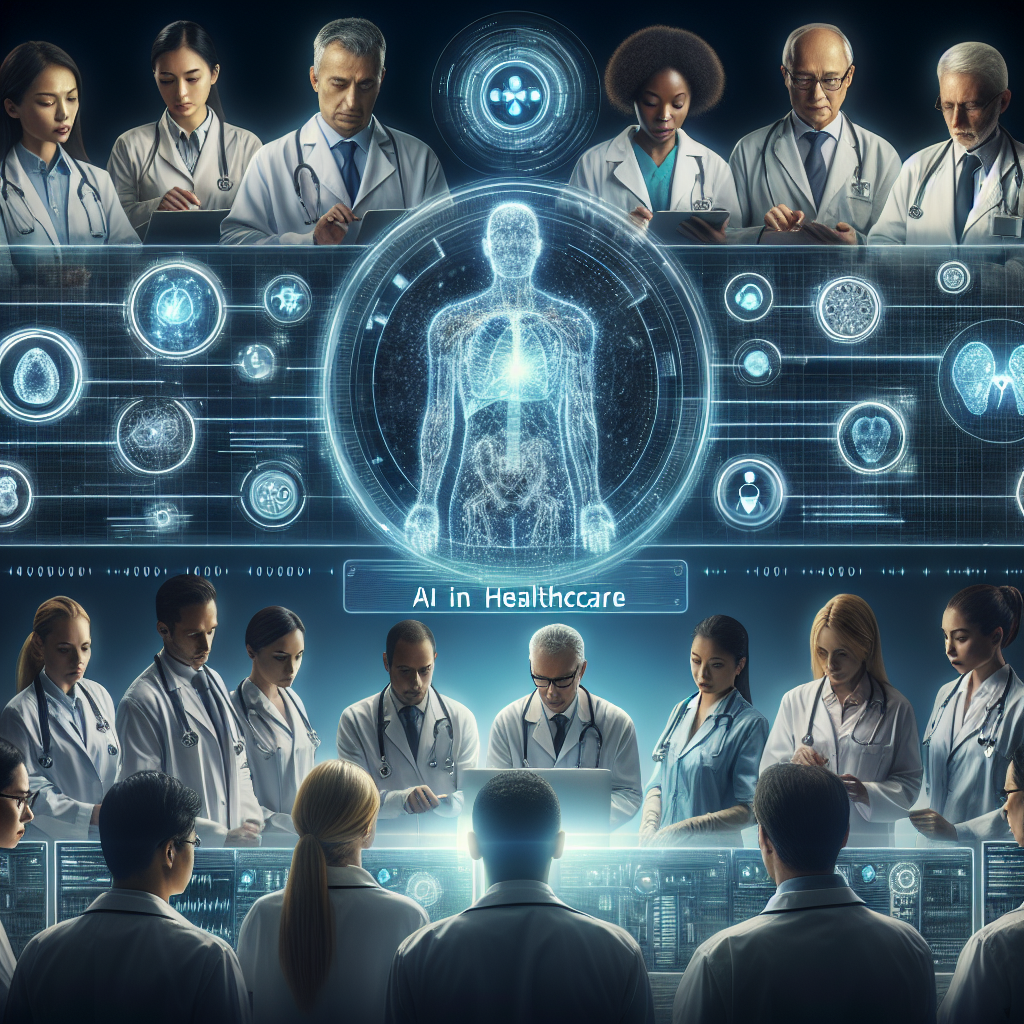
In recent years, the integration of Artificial Intelligence (AI) into healthcare has proven to be transformative. This revolution is significantly reshaping how medical professionals diagnose conditions, manage patient data, and deliver care. As technology continues to advance, the promise of AI in healthcare is compelling, allowing for more accurate diagnoses and improved patient outcomes. In this article, we will explore the current landscape of AI in healthcare, its applications, challenges, and future prospects for accurate diagnoses at your fingertips.
Understanding AI in Healthcare
What is AI?
Artificial Intelligence refers to the capability of a machine to imitate intelligent human behavior. In healthcare, AI can analyze vast amounts of data, recognize patterns, and provide insights that human practitioners may miss. It encompasses various technologies, including machine learning, natural language processing, and computer vision.
The Role of AI in Healthcare
AI enhances various aspects of healthcare, from predictive analytics to patient engagement. By leveraging large datasets, AI algorithms can detect diseases at earlier stages, enabling timely intervention.
Current Applications of AI in Healthcare
1. Diagnostic Imaging
AI algorithms are increasingly being used in diagnostic imaging, such as X-rays, MRIs, and CT scans. These algorithms can assist radiologists by highlighting potential areas of concern.
How It Works
Machine learning models are trained on vast datasets of labeled medical images. For example, Google’s DeepMind has developed algorithms that outperform radiologists in detecting breast cancer from mammograms, showcasing AI’s potential in augmenting human expertise.
2. Predictive Analytics
Predictive analytics powered by AI can identify patients at risk for certain conditions before they manifest. This proactive approach facilitates preventative care, significantly reducing the burden on healthcare systems.
Case Study: Sepsis Prediction
A notable example is the development of early warning systems that use AI to predict sepsis in hospitalized patients. Studies have shown that these systems can improve patient outcomes and lower mortality rates.
3. Virtual Health Assistants
AI-driven virtual health assistants can provide patients with instant medical advice based on their symptoms. These AI systems can help guide patients in seeking appropriate care while reducing unnecessary visits to healthcare facilities.
Benefits
- Accessibility: Patients in remote areas can get immediate assistance.
- Cost-Effectiveness: Reduces the need for extensive medical consultations.
4. Personalized Medicine
AI enables the tailoring of treatment plans based on individual patient data. By analyzing genetic information, medical history, and environmental factors, AI can help identify the most effective treatment plans for conditions such as cancer.
Challenges Facing AI in Healthcare
Data Privacy and Security
With AI systems relying heavily on patient data, maintaining privacy and security is paramount. Compliance with laws like HIPAA in the U.S. is essential to ensure patient trust and data protection.
Integration with Existing Systems
Integrating AI solutions with current healthcare systems can be complex. Healthcare organizations often use outdated software, which may not be compatible with modern AI applications.
Trust and Acceptance
While AI can enhance diagnostic accuracy, there is skepticism among healthcare professionals about its reliability. Training and education are necessary to build confidence in AI-driven solutions.
The Future of AI in Accurate Diagnoses
Enhancing Diagnostic Accuracy
Future advancements in AI promise to further enhance diagnostic capabilities. Innovations such as deep learning and neural networks will likely lead to more sophisticated algorithms capable of complex diagnoses.
Collaborative Decision-Making
AI can support but not replace human intuition. The future of healthcare may see a collaborative model where AI systems support healthcare professionals in decision-making, integrating the best of both worlds.
Expanding Access to Care
As AI technology becomes more widespread, it can help bridge the healthcare gap, providing expert diagnoses in underserved regions. Telemedicine combined with AI offers significant potential in delivering health services globally.
Conclusion
The integration of Artificial Intelligence in healthcare is revolutionizing the field, offering unprecedented opportunities for accurate diagnoses and improved patient care. Despite challenges, the potential benefits far outweigh the drawbacks, making AI an indispensable tool for the future of healthcare.
For more information on the intersection of technology and healthcare, check out our article on AI Innovations in Health Tech. Embracing this technology today will set the foundation for a healthier tomorrow.
External Resources
- Deep Learning and Radiology – National Institutes of Health
- Machine Learning in Healthcare – Health Affairs
By understanding and leveraging AI in healthcare, we can enhance the way we diagnose and treat patients, making accurate diagnoses truly available at our fingertips.