Introduction
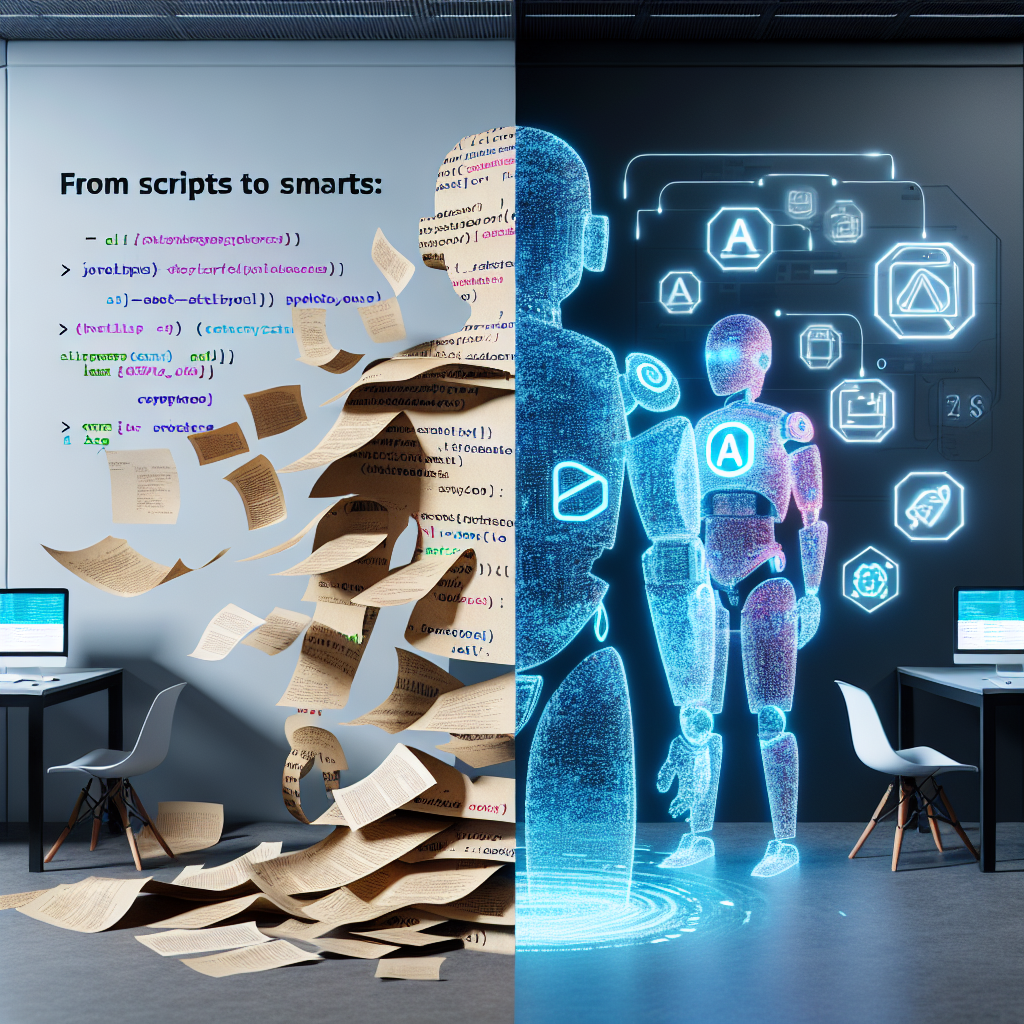
The evolution of technology has completely transformed how businesses interact with their customers. At the forefront of this transformation is the shift from traditional bots, primarily designed for specific tasks, to AI agents capable of more complex interactions and problem-solving. This article explores this significant shift, delving into the functionalities, advantages, and implications of adopting AI agents over traditional scripted bots.
Understanding Traditional Bots
What Are Traditional Bots?
Traditional bots, often referred to as “chatbots,” rely on pre-written scripts to engage users. These bots are designed to automate simple tasks, such as answering FAQs, providing customer support, or facilitating transactions. While they serve specific purposes, their capabilities are limited by the scripts they follow.
Limitations of Traditional Bots
-
-
Script Dependency: Traditional bots function strictly within the scope of their scripts. If a user asks a question the bot is not programmed to understand, the interaction typically ends in frustration.
-
-
-
Lack of Contextual Understanding: These bots don’t possess the ability to understand context or nuances in conversation. Their responses can often feel robotic and detached.
-
-
- Limited Problem-Solving: Traditional bots can manage straightforward tasks but lack the ability to handle complex queries that require reasoning or information synthesis.
The Rise of AI Agents
Defining AI Agents
AI agents are more advanced than traditional bots; they utilize machine learning, natural language processing (NLP), and contextual understanding to provide dynamic interactions. These agents can learn from user interactions, adapting over time to offer personalized experiences.
Key Features of AI Agents
-
-
Machine Learning Capabilities: AI agents improve their performance over time by learning from interactions, allowing them to handle more complex queries more effectively.
-
-
-
Natural Language Processing: With NLP, AI agents can understand and interpret human language more naturally, making conversations feel more fluid and less scripted.
-
-
- Contextual Awareness: AI agents consider prior interactions and user context, allowing for a more tailored response that meets customer needs.
Benefits of Transitioning to AI Agents
Enhanced Customer Experience
AI agents provide a more engaging and interactive user experience. By producing personalized responses and understanding user sentiment, they can reduce customer frustration and improve satisfaction.
Cost Efficiency
While the initial investment in AI technology may be higher, the long-term cost savings can be substantial. Automated AI agents can handle multiple inquiries simultaneously, reducing the need for extensive human staff in customer service departments.
Scalability
As businesses grow, AI agents can adapt without requiring substantial changes to infrastructure. They can manage increasing volumes of interactions, making them ideal for scaling operations.
Challenges in Transitioning
Data Privacy Concerns
AI agents must handle large amounts of personal data. Ensuring data privacy and compliance with regulations, such as GDPR, is crucial to maintaining customer trust.
Implementation Hurdles
Transitioning from traditional bots to AI agents can involve significant technical challenges. Businesses may require specialized talent for implementation and maintenance.
Real-World Applications
Customer Service
AI agents can manage customer inquiries on a 24/7 basis, providing assistance across multiple platforms. Companies like Zendesk have successfully integrated AI into their customer service operations to enhance efficiency.
E-commerce
AI agents can assist users in navigating websites, recommending products based on previous purchases, and handling transactions seamlessly. Notably, many e-commerce platforms are now utilizing AI to enhance the shopping experience.
Healthcare
AI agents are increasingly being integrated into healthcare, where they can provide patients with information, schedule appointments, and even assist with preliminary assessments.
Future Trends
Increased Personalization
The future of AI agents lies in their ability to create hyper-personalized experiences based on user behavior and preferences.
Integration with IoT
As the Internet of Things (IoT) expands, AI agents will likely evolve to interact with various connected devices, offering even greater levels of convenience and automation for users.
Conclusion
The shift from traditional bots to AI agents represents a significant leap towards improving user interactions, enhancing efficiency, and reducing costs for businesses. As technology continues to evolve, embracing AI agents will become increasingly vital for organizations eager to stay competitive and meet the demands of modern consumers.
Further Reading
For more insights on leveraging technology in your business, check out our articles on modern marketing strategies and effective customer engagement techniques.
In this article, we’ve explored the various aspects of transitioning from traditional bots to AI agents, highlighting the benefits, challenges, and future trends. Understanding this shift not only prepares businesses for the future but also positions them for success in an increasingly digital marketplace.